How to Run a Low-Impact Beach Cleanup
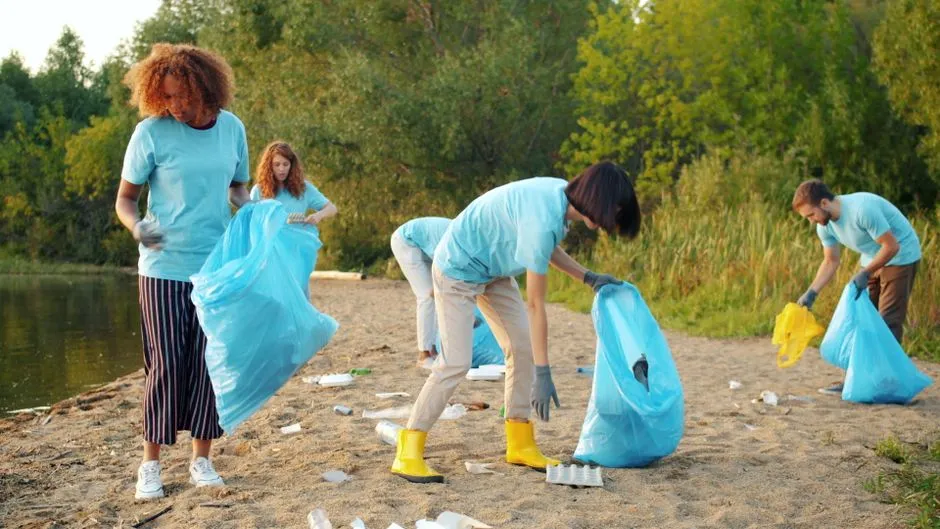
- A cleanup needs permission, a safety lead, and an exit plan
- Coordinate with the people responsible for the shore
- Survey the site before the event
- Bring equipment for the approved debris
- Leave dangerous and uncertain items in place
- Remove litter, not the beach
- Record results with one honest method
- Close the loop after the last bag
A cleanup needs permission, a safety lead, and an exit plan
A responsible beach cleanup removes identifiable human-made debris without disturbing wildlife, dunes, wrack, nests, cultural material, or visitors. Before recruiting volunteers, obtain the site manager's approval and confirm who will accept every waste category afterward.
A pile of wet bags beside a locked gate is not a completed conservation project. It is litter with a sign-in sheet.
Coordinate with the people responsible for the shore
Ask the land or site manager about permits, group-size limits, access, parking, protected habitat, nesting or pupping seasons, cultural sites, tides, weather triggers, restrooms, accessibility, and waste service. On protected shores, read the exact current rules; our guide to marine protected areas explains why the designation name alone is insufficient.
Share the proposed date, area, duration, participant age range, tools, data method, and media plan. Obtain separate permission for photographs where required and never post sensitive wildlife or cultural coordinates.
Identify emergency access and the local contacts for wildlife, hazardous waste, sharps, and medical response. Download or print information where signal is unreliable.
Survey the site before the event
Walk the route with permission near the same tide stage. Mark stable access, steep or eroding edges, soft sediment, surf exposure, vessel activity, roads, heat or shade, and areas volunteers must avoid.
Do not schedule work below cliffs, on unstable structures, during hazardous tides, or where cleanup would trample dunes or vegetation. Establish a clear cancellation process for lightning, dangerous surf, extreme temperature, smoke, wind, flooding, or official closure.
Divide the approved shore into visible zones and set a turnaround time. Volunteers should remain in pairs or small teams within the supervised area.
Bring equipment for the approved debris
The site manager may recommend reusable gloves, litter grabbers, buckets or suitable bags, high-visibility clothing, closed footwear, sun and weather protection, handwashing supplies, drinking water, a first-aid kit, and a scale or data cards.
Fit equipment to participants. Do not give children hazardous finds, overloaded bags, sharp tools, or unsupervised shoreline zones. Avoid thin bags for sharp-edged debris and never compact waste by hand or foot.
Brief everyone before distributing bags. Gloves reduce some contact; they do not make a syringe, chemical drum, ammunition, battery, flare, unknown liquid, or medical waste safe.
Leave dangerous and uncertain items in place
For sharps, chemicals, pressurized containers, large batteries, ammunition, unstable drums, dead animals, or suspicious packages:
- Stop work nearby.
- Keep people away.
- Record location from a safe distance.
- Contact the designated authority.
Do not open, smell, drain, move, or improvise storage. Do not cut fishing line from an entangled animal or approach wildlife for a rescue photograph. Contact trained responders and keep the area calm.
Large nets, ropes, or gear may be attached, buried, culturally important, or actively trapping wildlife. Removal can require vessels, machinery, permits, or specialist assessment.
Remove litter, not the beach
Pick up clearly human-made loose debris approved by the manager. Leave seaweed, shells, bones, driftwood, stones, plants, nests, and other natural material unless specifically directed otherwise. Beach wrack can provide habitat, food, and nutrients.
Stay on durable access routes, avoid dune vegetation, and obey seasonal closures. Use buckets for small fragments where bags would tear. Do not chase debris into surf or climb structures.
The coastal action collection measures success partly by what participants correctly leave alone.
Record results with one honest method
Choose categories before the event and train volunteers to use them consistently. Record date, approved area, duration, participant count, and either item counts, weight, bag count, or a clearly described combination.
If weighing, use the same scale and subtract container tare consistently. If counting, define categories and how fragments are handled. Keep unusual-item notes separate from totals.
Do not translate one day's kilograms into animals saved, pollution prevented, or ecosystem recovery without a valid method. The direct result is the debris documented and transferred to an appropriate destination.
Close the loop after the last bag
Count teams back, check for injuries or exposures, wash hands, and confirm waste transfer with the receiving service. Separate recycling only where the local facility accepts the material in its recovered condition; salt, sand, mixed resins, and contamination can change acceptance.
Report hazardous items and wildlife observations through approved channels. Send volunteers the measured results, limitations, and prevention lessons. Repeated packaging, fishing gear, or access-point litter may suggest a source-focused project with businesses, agencies, fishers, or visitors.
Thank participants without claiming the coast is now clean. The shoreline will keep moving, and conservation is longer than one morning. A careful cleanup is still worthwhile precisely because it knows what it accomplished—and what it did not.