Marine Protected Areas Explained: Rules, Uses, Goals
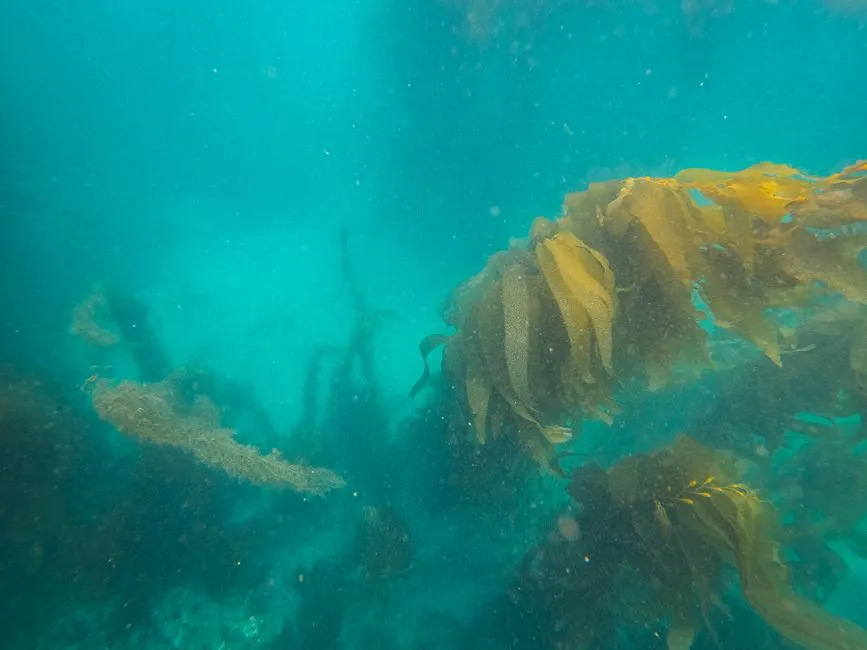
An MPA is a managed place, not one universal rule
A marine protected area is a defined marine place established and managed for lasting conservation of natural resources, cultural resources, or both. The broad label includes sites with different legal authorities, boundaries, goals, zones, permitted uses, and protection levels.
Some prohibit extraction in all or part of the site. Others allow fishing, tourism, shipping, research, or traditional activities under particular conditions. “Protected” is therefore not a synonym for “closed.”
Begin with boundary and authority
An MPA needs a defined location and an authority capable of establishing its protections. In the United States that authority may be federal, state, territorial, tribal, or local. Other countries use their own legal and governance systems, and some sites involve co-management or customary institutions.
Find the current official boundary map. A coastline sign or tourism map may omit offshore edges, seasonal zones, depth-based rules, or recent changes. Save the regulation and management-plan dates; a historic map is evidence of history, not permission for today's activity.
The National Marine Protected Areas Center's definition and key terms provide a U.S. framework. Local law remains the controlling source for a specific site.
Protection level matters more than the label
Two places called sanctuaries may regulate activities differently. A marine reserve may prohibit extractive activity, while a multiple-use MPA can allow specified uses compatible with its objectives. Some sites contain zones with distinct rules.
Ask five functional questions:
- What natural or cultural resources are the focus?
- What level of protection applies?
- How permanent is the protection?
- Does it apply continuously or in regular periods?
- Does it protect an ecosystem or selected features?
Those questions are more portable than names. The ocean basics collection uses them to prevent one blue polygon from borrowing another blue polygon's regulations.
MPAs can protect nature and culture
Natural objectives may concern habitats, biodiversity, breeding or feeding areas, ecological processes, or recovery from pressure. Cultural objectives can include shipwrecks, archaeological resources, sacred places, traditional connections, and maritime history.
These aims can overlap. A seascape may be ecologically important and inseparable from the knowledge, access, governance, or identity of coastal and Indigenous communities. Describing that relationship responsibly requires engagement with the communities and documents involved; it should not be reduced to an attractive paragraph in a visitor brochure.
Sensitive cultural locations and ecological sites may need information limits. Do not publish coordinates or collect objects merely because a map application made them easy to reach.
Designation is not the same as effectiveness
Legal designation creates a framework. Outcomes depend on objectives, design, resources, participation, enforcement, compliance, monitoring, climate and ecosystem change, and pressures crossing the boundary.
To evaluate a site, read the stated objectives first. Then look for indicators tied to those objectives: habitat condition, species measures, cultural-resource condition, compliance, access, or community-defined outcomes. Examine time period, comparison area or baseline, methods, uncertainty, and whether the report distinguishes correlation from cause.
Avoid claiming that every ecological change comes from the boundary. Currents, warming, storms, pollution, fishing outside the site, development, and migration do not stop at cartographic lines.
Visitor rules deserve a fresh check
Before swimming, boating, fishing, diving, anchoring, flying a drone, collecting, or entering a cultural site, consult the responsible authority. Verify:
- Exact boundary and zone
- Current closures and permits
- Fishing, collection, anchoring, and mooring rules
- Wildlife approach distances
- Vessel, dive, camping, fire, and drone requirements
- Cultural protocols and restricted information
- Biosecurity or gear-cleaning measures
Even a low-impact beach cleanup needs permission and habitat awareness inside or beside a protected area. Removing natural wrack or entering a nesting closure can undermine the purpose while looking wonderfully industrious in photographs.
A useful definition opens better questions
The term MPA helps organize conservation work across varied sites. It does not guarantee one rulebook, enforcement level, social outcome, or ecological result.
For any real place, replace “Is it protected?” with “Protected for what, by whom, through which rules, at what level, and measured how?” That longer question is less slogan-friendly. It is also where understanding begins.